Holly Lyon-Hawk
Educator • Ceremonial Care Specialist • Holistic Funeral Director • IISCC

International institute for Supported Ceremonial Care
Our Mission
As direct cremation grows and opportunities for contact after death diminish, our mission is to restore connection through supported acts of care.
By training the public and professionals worldwide, we aim to reduce trauma and create kinder, more meaningful
end-of-life experiences for people, animals
and those who love them.

Training Programmes
Training for End-of-Life Care
For people. For pets. For those who care.
End-of-life care is something we can learn.
Whether you want to feel better prepared to support someone you love, bring
end-of-life doula skills into your work with animals, or extend your existing professional practice, IISCC offers thoughtful, practical training for
the moments that ask the most of us.
Choose the training pathway that is right for you.

A research, education and standards body dedicated to restoring meaningful human participation in the care of the dead.
CAN YOU HELP me?
CALLING hospitals, care homes, hospices, end-of-life doulas, soul midwives and veterinary services
Help us explore the value of care and connection after death Supported Ceremonial Care of the Body - a research invitation Choosing direct cremation can still include a personal goodbye. I am developing a study with two connected strands, exploring families’ experiences of Supported Ceremonial Care of the Body when they have chosen cremation without a formal funeral - following the death of a person or a much-loved pet. I am inviting hospitals, care homes, hospices, end-of-life doulas, soul midwives and veterinary services to help bring this research into practice. Together, we will explore whether, and in what ways, supported acts of care can offer families a sense of connection, participation and meaning before cremation. All study training will be provided free of charge. Participation is voluntary and unpaid. This is an opportunity to contribute your time, care and experience to research intended to improve support for bereaved families. The aim is to develop the findings into a paper for submission to a peer-reviewed journal.
What is Supported Ceremonial Care of the Body?
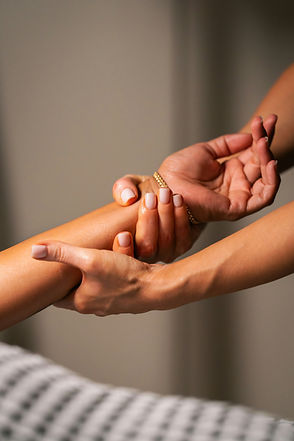
Supported Ceremonial Care offers families the opportunity to spend time with, and take part in caring for, the body of the person or animal they love after death. Depending on their wishes and what is appropriate within the setting, this might include washing, brushing hair or fur, dressing or wrapping the body, choosing meaningful objects, sharing words or simply being present. The care is shaped around the family’s wishes, beliefs, culture and relationship with the person or animal who has died. It can be secular, spiritual or religious. There is no expectation to touch the body, take part in a particular ritual or feel a certain way. Families choose their level of involvement, including choosing not to participate.

What will the research explore?
We want to understand: How families experience being offered supported care before cremation. Whether taking part contributes to a sense of connection, choice or involvement. What families find helpful, meaningful, difficult or unhelpful. How this care can be offered sensitively within human and animal care settings. What practitioners and participating organisations need to provide it well. Every experience matters, including when the care offers little benefit or does not feel right for a family. Listening honestly will be central to the research.
1. Hospitals, care homes & hospices
Could your setting help us understand what this care might offer families? We are seeking hospitals, care homes and hospices interested in participating in the human strand of the study. This strand will focus on families who have chosen direct cremation without a formal funeral and who would welcome the opportunity to explore supported care of the body beforehand. Your organisation’s involvement could include: Working with us to establish how the study could fit within your setting. Helping suitable families learn about the opportunity, without pressure to take part. Facilitating access to an appropriate space and a trained study practitioner. Supporting the agreed arrangements for consent and family feedback. Sharing staff perspectives on the practicalities of offering this care. We would discuss the proposed role, staff involvement and practical requirements with you before any commitment is made. Relevant study training will be provided free of charge. Organisational participation is voluntary, with no payment offered. If your team is interested in helping shape thoughtful, evidence-informed care after death, I would welcome a conversation.

2. End-of-life doulas &
Soul midwives
Bring your care, steadiness and experience to this research I am inviting end-of-life doulas and soul midwives to apply for free training with me in Supported Ceremonial Care of the Body, with a commitment to volunteering within the study. Selected practitioners will be asked to: Complete the study training and the required assessment of readiness to practise. Attend agreed settings to support families in person. Offer care that follows each family’s wishes, pace and level of involvement. Work within the study procedures and the requirements of the setting. Help facilitate feedback from consenting families through the agreed research process. Contribute honest reflections on their own experience of providing the care. The training is offered as part of a commitment to participate actively in the research. Please apply if you have both the interest and the practical capacity to contribute your time. A rigorous and thoughtful selection process This work calls for an open heart, a steady presence and the humility to let families lead. Applicants will undergo a rigorous assessment of their experience, approach and suitability for this sensitive work. We are looking for practitioners who demonstrate: Compassion and emotional steadiness: the ability to remain present with grief and uncertainty. Deep listening: allowing families to express what matters to them. Respect for choice: supporting different beliefs, funeral decisions and ways of grieving. Humility: recognising when to offer guidance, when to step back and when to seek help. Clear boundaries: understanding consent, confidentiality and the limits of their role. Reliability: honouring commitments and following agreed procedures. Reflective practice: responding openly to guidance and feedback. A heart-centred approach must be evident in how you work. Acceptance will depend on suitability for the role and the responsibilities it carries. Training is free. Practitioner involvement is voluntary and unpaid. If this way of caring reflects your values and your practice, I would love to hear from you.
3. Veterinary practices and animal euthanasia services
Help us explore meaningful care after the death of a pet We are inviting veterinary practices, veterinary hospitals, animal euthanasia centres and home euthanasia services to express interest in the animal strand of the study. This strand will explore supported ceremonial care for families whose pets will be cremated without a formal funeral. For families who wish to participate, this could offer an opportunity to spend time with their animal and take part in personal acts of care before the body is collected or transferred for cremation. We would welcome interest from services that could: Help families learn about the study and decide whether it feels right for them. Facilitate an appropriate space and opportunity for supported care. Enable suitable team members to train, or work alongside a trained study practitioner. Support the agreed arrangements for consent and family feedback. Share observations about the experience for families, staff and the service. Participating veterinary team members who provide this care will receive the relevant training free of charge and will need to meet the study’s suitability and practice requirements. The proposed arrangements would be discussed with each service, taking account of its facilities, working practices and the needs of the families it supports. Participation is voluntary and unpaid. Your contribution could help develop a fuller understanding of how families wish to be supported after an animal’s death.

Families’ choices will guide the work
People choose direct cremation for many personal, practical, cultural and financial reasons. Those choices will be respected throughout this study. Supported ceremonial care will be offered as an option. Families will receive clear information about the care and the research, including what feedback would involve, so they can make an informed decision. The study will explore potential benefits without assuming that the same approach will suit everyone.
Register your interest
We are currently inviting expressions of interest from organisations and practitioners who would like to help develop this work. Please tell us: - Your name and contact details. - Your organisation or professional role. - Your location and the area you could cover. - Your relevant experience. - Why you would like to participate. - The time or practical support you may be able to offer. The study arrangements, time commitments and next steps will be discussed before participation is agreed. Research involving families will begin once the necessary ethical and organisational approvals are in place. Your experience and willingness to listen could help shape how families are supported in the future.

Restoring Ritual at the End of Life: Investigating the Psychological and Cultural Impact of Supported Ceremonial Care of the Body in the Era of Direct Cremation.
We Have Become Strangers to Death
For thousands of years, caring for the body after death was one of humanity's oldest acts of love.
Families washed.
Families dressed.
Families sat in silence.
Families wept.
Families prayed.
Families carried their dead together.
Today, many people experience death through closed doors, hurried systems and brief final encounters.
Increasingly, the person we love simply disappears from our care.
In becoming 'protected' from death, we may also have become disconnected from one of life's most profound transitions.
Supported Ceremonial Care seeks to gently restore that connection.

With well over a decade of experience supporting hundreds of individuals and families through the sacred practice of Supported Ceremonial Care of the Body, I have witnessed first-hand the profound difference this final act of love can make.
Time and again, I have seen how the gentle, intentional tending of the body after death helps to soften fear, strengthen connection, and support the natural process of grief. In a culture where direct cremation is becoming increasingly common, I believe this intimate and deeply human practice is more important than ever.
It offers family and friends the opportunity to honour the body that carried the life, the personality, the love, the memories, and - for many - the soul or consciousness of the person they cherish. It creates a precious space where the reality of death can be met gently, allowing hearts and minds to slowly adjust to what has happened rather than being rushed through it.
Having a professionally trained practitioner to accompany families through this experience is, I believe, fundamental. Their role is not simply practical; they become a calm and compassionate guide, gently holding the space and bearing witness alongside those who are grieving.
As the work of trauma specialist Peter Levine and others has demonstrated, our nervous systems often require the presence of a safe and regulated other before they can begin to settle.
Within that sense of safety, grief and trauma can start to be processed naturally, rather than becoming something carried silently for years to come.
It is this understanding that led to the creation of the International Institute of Supported Ceremonial Care.
Our vision is ambitious but simple: to see this beautiful practice become a recognised and valued part of end-of-life care across the world. We hope to train thousands of professionals, enabling care homes, hospices, hospitals, funeral services and end-of-life practitioners to routinely offer families the opportunity to participate in the care of their loved one after death, ensuring that the quality of care extends beyond the moment life ends.
Launching internationally in 2027, our comprehensive training programme will equip practitioners with the knowledge, practical skills, confidence and sensitivity needed to safely facilitate Supported Ceremonial Care of the Body within their own professional settings.
Certified by the International Institute of Supported Ceremonial Care and independently reviewed by its Professional Advisory Council, the programme is being developed to the highest possible standards, giving both practitioners and the families they serve confidence that this sacred work is being carried out with professionalism, compassion, integrity and deep respect for the person who has died.
Certified by The Institute for Supported Ceremonial Care and
independently reviewed by its Professional Advisory Council